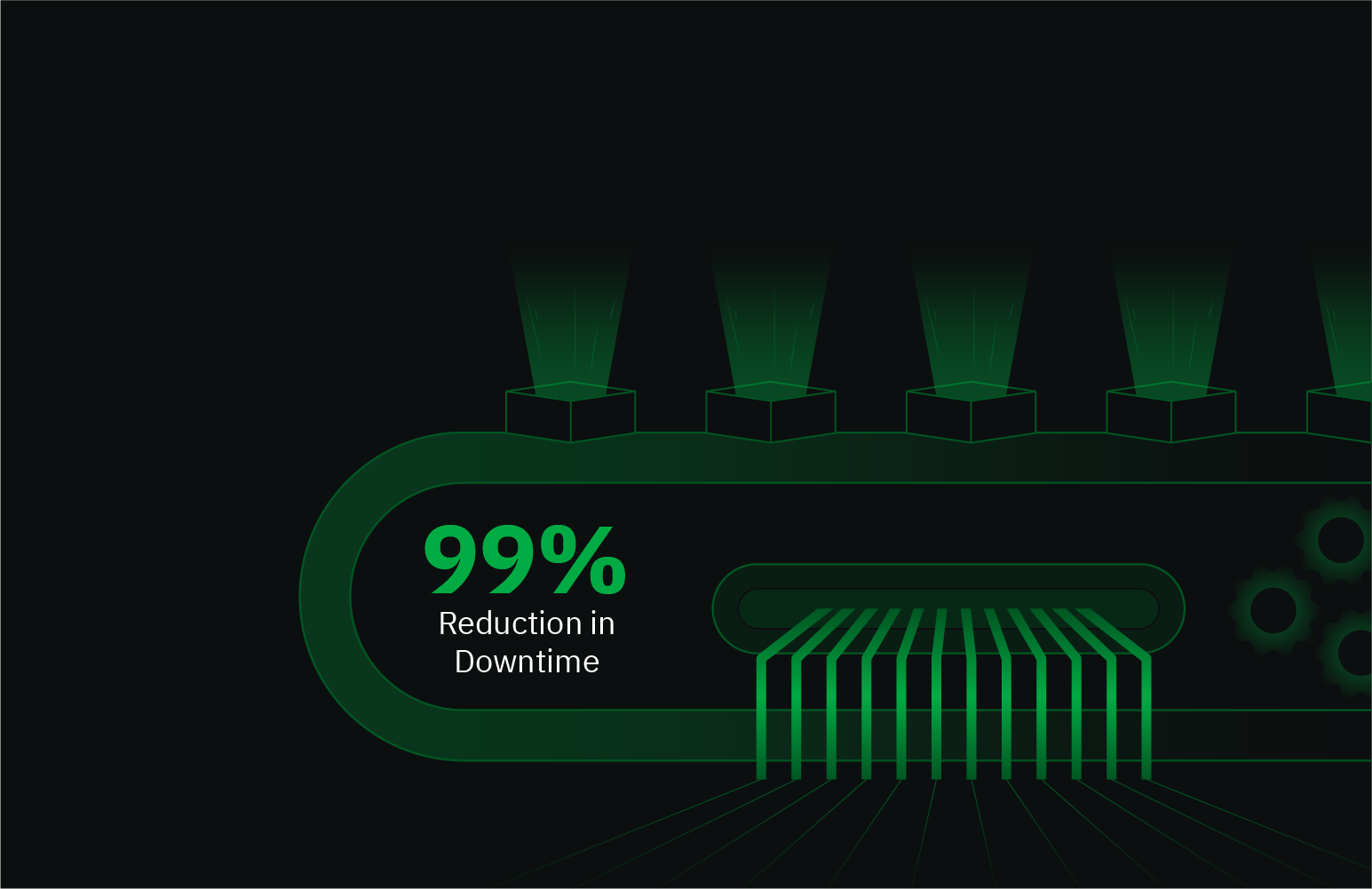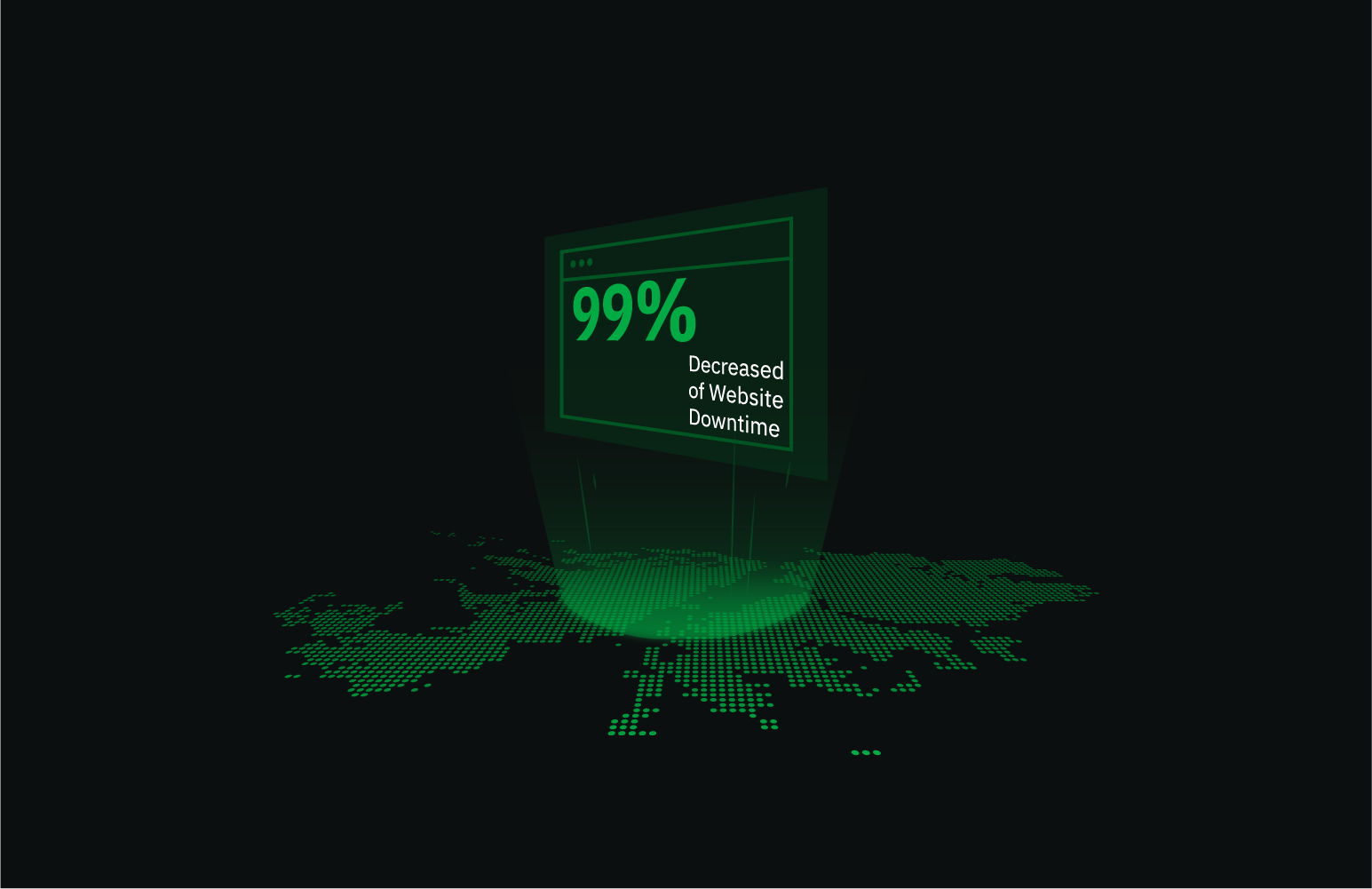


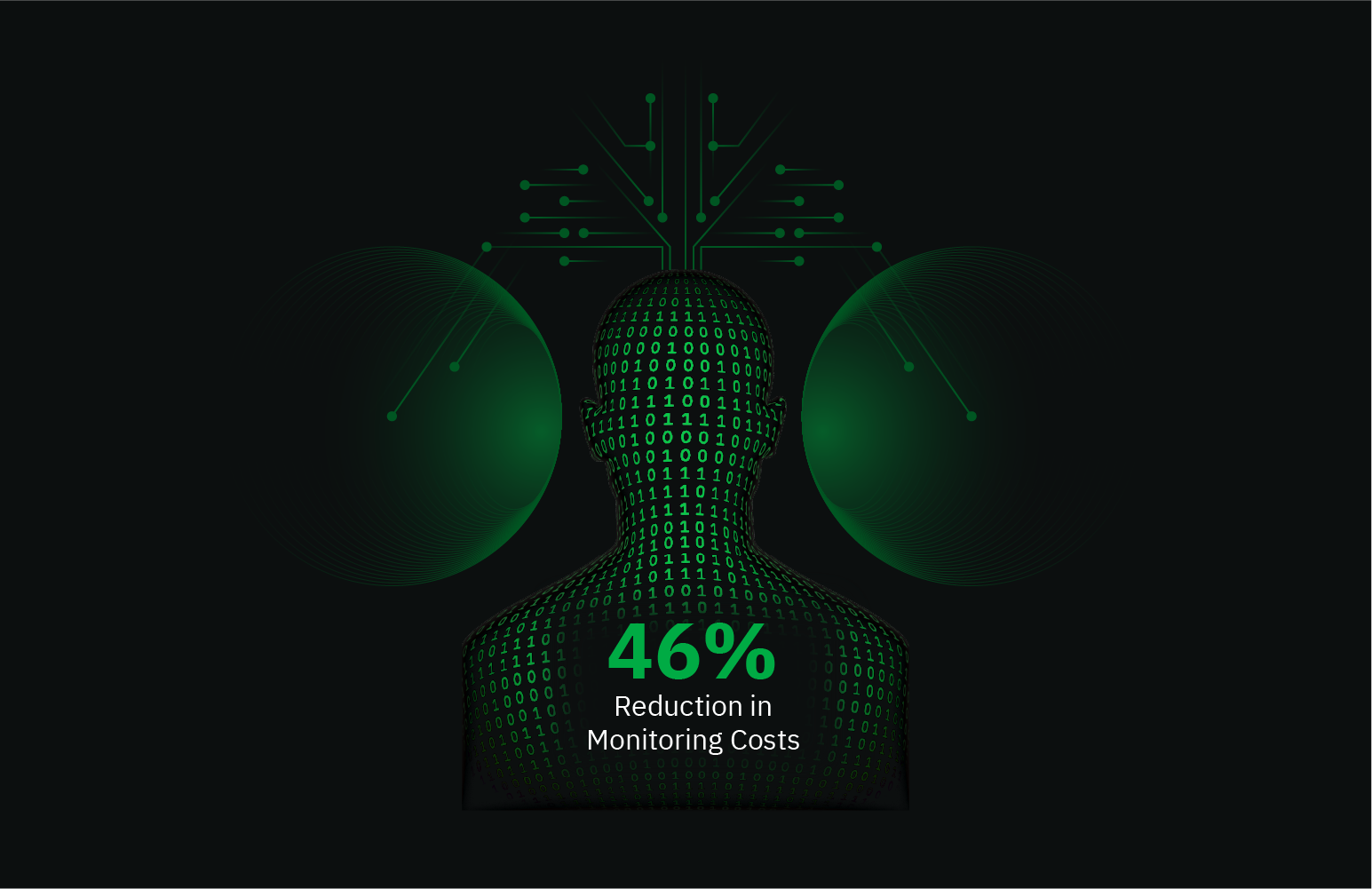





Milbank Manufacturing runs hundreds of monitored nodes, with Netdata in every environment from development through to production. A systems engineering team keeps them running, and when something breaks, the business feels it across many applications at once.
The gap between happening and hearing about it
Before Netdata, the problem was not a lack of data. It was time. An issue would start, users would hit it, and only some time later would a report reach the team. By then the investigation was starting from the user’s description of a symptom, not from the moment it began.
“The large gap between when an issue was reported and when it actually happened. Being able to get alerted the moment an event happened has been invaluable.”
Matthew Neuforth
Senior Systems Engineer, Milbank Manufacturing
Milbank chose Netdata for three reasons: per-second, real-time granularity; ML anomaly detection; and the fact that it is open source and keeps the data under the company’s control.
The incident: an outage that looked like the network
A large-scale outage hit the internal network, and applications across the business started throwing errors. When many applications fail together, the network is the obvious suspect, and chasing it can swallow an afternoon.
Netdata ruled the network out quickly. The anomaly was on one of the heavily used internal SQL servers.
“A large scale outage within the internal network was causing applications to error out. With Netdata we were able to quickly identify that it was not a network issue, but an application issue. We saw an anomaly reported on one of the heavily used internal SQL servers - Letting us quickly nail down that the root cause was the database was crashing.”
Matthew Neuforth
Senior Systems Engineer, Milbank Manufacturing
The value here is as much in what Netdata ruled out as in what it found. Proving early that the network was healthy stopped the team from spending the incident in the wrong place. One anomalous database server, shared by many applications, explained why so many of them failed at once.
The old way of reaching the same answer started somewhere very different.
“Prior to Netdata the process for identifying the root cause involved getting a heap of user reports put together to find the similarities to the symptoms, then tracking down the leads.”
Matthew Neuforth
Senior Systems Engineer, Milbank Manufacturing
From hours of digging to seconds
Matthew describes the change in plain terms:
“When a wide spread issue is affecting the business, it now takes seconds to identify the root cause and blast radius. Saving hours of deep diving.”
Matthew Neuforth
Senior Systems Engineer, Milbank Manufacturing
Blast radius is the part that is easy to overlook. Knowing the cause tells you what to fix. Knowing which systems and applications depend on it tells you who is affected, what to tell the business, and what to check once the fix is in.
What it adds up to
- Discovery in seconds: down from tens of minutes or hours.
- Alerted at the moment of the event: no longer waiting for user reports to arrive and be pieced together.
- The network cleared quickly: anomaly detection pointed past the obvious suspect to the failing database.
- Root cause and blast radius together: what broke, and everything that broke because of it.
- Coverage in every environment: development, test, staging and production on one platform.
Discover how Netdata can elevate your operations. Learn more.